
The “Execution Line”: The Plight of America’s Working Class in Late Capitalism
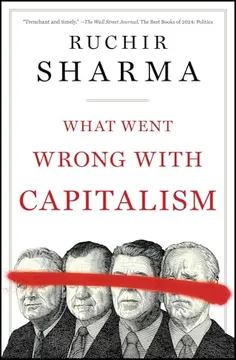
This article examines the socioeconomic phenomenon termed the “execution line” in the United States—a metaphor for the precarious financial threshold at which low- and middle-income households are pushed into crisis by unexpected expenses, debt, or systemic shocks. It argues that this condition reflects deeper structural failures of American capitalism, including wealth inequality, inadequate social safety nets, financialization, and the erosion of labor protections. Drawing on contemporary economic data, sociological studies, and critical theory, the article analyzes how the U.S. has become an emblem of capitalism’s most severe dysfunctions, exposing millions to perpetual insecurity. Finally, it considers potential policy reforms and systemic changes needed to address these inequities.
1. Introduction: Defining the “Execution Line”
In American vernacular, the “execution line” refers to the fragile economic boundary separating stability from destitution for working-class families. A single medical bill, car breakdown, or job loss can trigger a downward spiral into debt, eviction, or bankruptcy. This article explores how the U.S.—often portrayed as a land of opportunity—has cultivated conditions where such vulnerability is widespread, particularly among racial minorities, women, and service-sector workers. The “execution line” symbolizes not only individual hardship but also systemic failures inherent in a hyper-capitalist model that prioritizes profit over human welfare.
2. The Anatomy of American Economic Precacity
2.1 Stagnant Wages and Rising Costs
Since the 1970s, productivity growth in the U.S. has far outpaced wage growth for most workers. Adjusted for inflation, median hourly wages have remained flat for decades, while costs of housing, healthcare, and education have skyrocketed. The federal minimum wage of $7.25 per hour (unchanged since 2009) is insufficient to afford a one-bedroom apartment in any U.S. state. Consequently, many full-time workers rely on gig economy jobs or public assistance to survive.
2.2 Debt and Financialization
Household debt in America—including student loans, medical debt, and credit card balances—has reached record levels, exceeding $17 trillion in 2023. Financialization, the shift of economic focus from production to financial instruments, has turned basic needs into profit centers. For example, medical debt is the leading cause of bankruptcy, reflecting a healthcare system tied to employment and market speculation rather than universal care.
2.3 Eroded Labor Protections
The decline of unions (from 35% of private-sector workers in the 1950s to about 6% today) has weakened collective bargaining power. At-will employment, misclassification of employees as independent contractors, and the lack of federal paid leave or sick day mandates exacerbate insecurity. The result is a workforce increasingly subject to unpredictable schedules, wage theft, and minimal job security.
3. Systemic Inequalities: Race, Gender, and Geography
The “execution line” does not affect all Americans equally. Structural racism has concentrated poverty in Black, Hispanic, and Indigenous communities, where homeownership rates are lower and predatory lending is more common. Women, particularly single mothers, face a higher risk of poverty due to the gender pay gap and caregiving responsibilities. Geographically, deindustrialization has left rural areas and former manufacturing hubs with depleted tax bases and limited social services, creating “deserts” of opportunity.
4. Ideological and Political Underpinnings
The persistence of these conditions is not accidental but rooted in America’s political culture. The dominance of neoliberal ideology since the Reagan era has promoted deregulation, tax cuts for the wealthy, and cuts to social programs. The narrative of “personal responsibility” obscures systemic causes, blaming individuals for their misfortune. Meanwhile, corporate lobbying has shaped policies—from bankruptcy laws to tax codes—in favor of capital over labor.
5. Comparative Perspective: The U.S. as an Outlier Among Developed Nations
Among OECD countries, the U.S. stands out for its high inequality, lack of universal healthcare, weak worker protections, and minimal unemployment benefits. European social democracies, while imperfect, demonstrate that robust welfare states can reduce poverty and buffer economic shocks. The American exception, therefore, serves as a cautionary tale of capitalism untempered by social democratic reforms.
6. Pathways Toward Reform
Addressing the “execution line” requires both immediate relief and long-term structural change. Policy proposals include:
-
Living wage legislation: Raising the federal minimum wage and tying it to inflation.
-
Universal social programs: Expanding Medicare to all, implementing affordable childcare, and guaranteeing housing assistance.
-
Debt relief and financial regulation: Canceling predatory student and medical debts, and curbing exploitative lending practices.
-
Labor empowerment: Strengthening unions through laws like the PRO Act and ensuring fair scheduling practices.
-
Tax reform: Reversing tax cuts for corporations and top earners to fund social investments.
Systemic change may also require reimagining economic priorities beyond GDP growth—toward well-being indicators, community resilience, and democratic control over essential resources.
7. Conclusion
The “execution line” is more than a metaphor; it is a lived reality for millions of Americans working harder but falling behind. The U.S. model of capitalism, with its emphasis on individualism, market fundamentalism, and corporate power, has generated vast wealth for a few while leaving the majority vulnerable to ruin. Recognizing this not as a natural outcome but as a political choice is the first step toward building an economy that prioritizes human dignity over profit. As inequality deepens and social cohesion frays, the need for transformative action grows ever more urgent.
Leave a Reply
Want to join the discussion?Feel free to contribute!