
The Unchecked Epidemic of Healthcare Inflation: Why Government Intervention Is Long Overdue
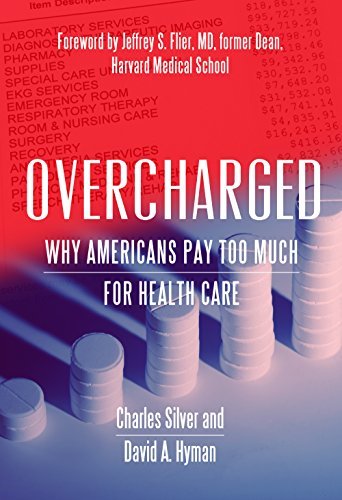
In most developed and developing economies around the world, average annual inflation rates generally hover around manageable levels—often around 5% or lower. Yet, a stark and alarming exception stands out in almost every nation: the escalating cost of medical care. Year after year, private healthcare expenditure surges at double-digit rates, consistently outpacing general consumer price indices.
This dramatic disparity points to an untenable reality: private medical institutions are leveraging their monopolistic expertise and professional authority to extract excessive profits from ordinary citizens. To safeguard the public interest, high-intensity government intervention is no longer merely an option; it is an absolute necessity.
1. Asymmetry of Information: Exploiting Professional Authority
Unlike traditional consumer markets, healthcare operates under a severe asymmetry of information.
-
Lack of Consumer Choice: A patient suffering an acute health crisis cannot “shop around” or negotiate prices.
-
Over-prescription and Defensive Medicine: Patients must rely entirely on the medical professional’s diagnosis and treatment plan. Private providers exploit this vulnerability by prescribing unnecessary tests, prolonged hospitalizations, and premium pharmaceuticals, converting medical authority into a tool for profit maximization.
2. Market Failure and Profit-Driven Medicine
When healthcare is treated purely as a free-market commodity, standard economic laws fail.
-
Inelastic Demand: Demand for life-saving treatments is fundamentally inelastic—people will spend their entire savings, incur lifelong debt, or sell assets to survive.
-
Profiteering Over Care: Unregulated private clinics and hospital conglomerates capitalize on this desperation, driving up profit margins at the expense of public well-being.
3. The Path Forward: The Imperative for Strong Regulation
To restore equity and protect citizens from financial ruin, governments must move beyond passive oversight and enforce aggressive, high-intensity regulatory measures:
-
Strict Price Capping & Price Transparency: Establish strict caps on medical procedures, hospital stay rates, and essential pharmaceuticals. Force private healthcare providers to publicly declare standardized pricing schedules.
-
Mandatory Auditing of Medical Billing: Implement independent regulatory bodies to routinely audit hospital bills, penalizing institutions that engage in overcharging, unnecessary procedures, or predatory billing practices.
-
Strengthening Public Healthcare Infrastructure: Expand and modernize public medical services to offer viable, high-quality alternatives, effectively curbing the unchecked market power of private institutions.
Conclusion
Access to affordable healthcare is a fundamental human right, not a luxury reserved for the affluent. When private medical entities use their professional dominance to profit off human suffering, it represents a clear market failure. Without strong, uncompromising government intervention, double-digit medical inflation will continue to drain household savings and undermine social stability. It is time for policymakers to step in and put public health above private profit.
Leave a Reply
Want to join the discussion?Feel free to contribute!