
Is Malaysia Becoming More Conservative — Or Just Louder?
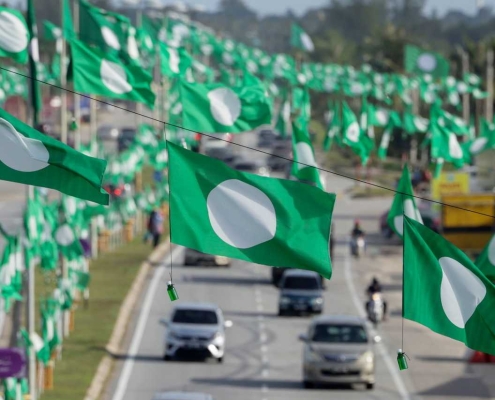
If you scroll through Malaysian social media today — TikTok, Facebook, YouTube comments — you might get the impression that the country is becoming more conservative, more religious, and more culturally strict than ever. Discussions that used to be simple now explode into moral debates. Policies that were once routine suddenly become battlegrounds of identity and faith.
So the question is:
Is Malaysia actually shifting toward conservatism, or are the loudest voices just dominating the conversation?
The truth is more complex — and more interesting.
1. Social Media Makes Conservative Voices Seem Bigger Than They Really Are
Platforms like TikTok, X (Twitter), and Facebook amplify:
-
emotional content
-
religious symbolism
-
culture-war topics
-
fear-based messaging
These posts spread faster because they trigger reactions.
A thoughtful, moderate view rarely goes viral — but a dramatic, conservative rant often gets millions of views.
This creates a distorted reality, where:
-
10% of loud voices sound like 60% of public opinion
-
young conservatives look more numerous than they actually are
-
moderate Malaysians feel outnumbered when they’re actually the silent majority
Malaysia isn’t necessarily becoming more conservative — but conservative voices have become far more amplified.
2. Politics Encourages Conservatism Because It “Rallies the Base”
Let’s be honest: Malaysian politicians know which buttons to push.
Religion and morality are powerful mobilizers:
-
They unite supporters.
-
They distract from economic issues.
-
They create emotional loyalty.
-
They weaken opponents by painting them as “liberal enemies.”
Parties that rely heavily on conservative voters use this strategy aggressively — because it works.
Even moderate parties sometimes lean conservative during elections because they fear losing ground to more extreme rivals.
But this doesn’t always reflect true public sentiment.
Often, it’s just political theatre.
3. Everyday Malaysians Are Not Becoming More Conservative — They Are Becoming More Stressed
When people feel:
-
uncertain about the economy,
-
insecure about their future,
-
disappointed with leadership,
-
worried about rising costs,
they turn toward certainty and identity for comfort.
Religion and cultural traditions provide a sense of stability, especially when life feels unstable.
So what looks like “conservatism” may actually be an emotional response to economic pressure.
Fix the economy, and you’ll see less extremism everywhere — online and offline.
4. Urban vs Rural Divide: Two Different Malaysia
In reality, Malaysia is split into two cultural moods:
Urban Malaysia (Klang Valley, Penang, Johor Bahru, Kuching, KK):
-
More moderate
-
More global
-
More focused on economy than identity
-
More interracial friendships and workplaces
-
Less tolerant of political moral policing
Rural Malaysia:
-
More religious and traditional
-
Influenced heavily by local religious leaders
-
Strong sense of community identity
-
More loyal to conservative parties
-
More responsive to fear-based messaging
When politicians talk about “the Malaysian people,” they often mean rural voters — who still form a powerful electoral base.
But urban Malaysia is growing fast, and its influence will reshape politics over time.
5. Young Malaysians: Conservative, Liberal, or Confused?
People often assume Gen Z Malaysians are becoming more conservative because of what they see online. But the reality is mixed:
Yes, some youths are becoming more conservative because:
-
TikTok algorithms push them that way
-
conservative content sounds “heroic” and “morally strong”
-
many seek identity and belonging
-
they distrust current political leaders
But many others are becoming more liberal because:
-
exposure to global content
-
multicultural urban environments
-
frustration with old political games
-
desire for more personal freedom
Malaysia’s young generation isn’t “conservative” or “liberal.”
They are divided, emotional, and searching for direction — which makes them unpredictable and easily influenced.
6. The Reality: Malaysia Is Not Becoming More Conservative — It’s Becoming More Vocal
Here’s the honest assessment:
Malaysia is not secretly turning into a conservative state.
What’s happening is this:
-
Conservative groups have stronger digital strategy.
-
Emotional content goes viral faster than rational content.
-
Political parties use religion as a weapon.
-
Economic stress pushes people toward simple answers.
-
Moderates remain quiet because they avoid online fights.
So the conservative “wave” you see might just be a loud minority with excellent social media presence, backed by politicians who know how to use them.
7. But Malaysia Could Become More Conservative If Moderates Stay Silent
Silence is dangerous.
When moderates — Malays, Chinese, Indians, Sabahan, Sarawakian — choose to stay quiet:
-
extremists take over the narrative
-
politics becomes polarizing
-
politicians fear losing conservative votes
-
policy-making shifts rightward
-
public discourse becomes toxic
Malaysia’s future depends on whether the middle ground remains silent or decides to speak up.
Conclusion: Malaysia Is at a Cultural Turning Point, Not a Conservative Revolution
Malaysia is not collapsing into ultra-conservatism.
It’s not becoming a liberal paradise either.
Instead, the country is going through a noisy identity adjustment:
-
old values vs modern pressures
-
rural voices vs urban aspirations
-
social media noise vs real-life views
-
conservative political messaging vs public fatigue
-
a young generation that refuses to fit into old boxes
The real Malaysia is still moderate, still tolerant, still diverse — but drowned out by a louder, more emotional online culture.
The question is not whether Malaysia is becoming more conservative.
The real question is:
Who will speak loudest for the Malaysia of tomorrow — the moderates, or the extremes?
Related articles:
1. The Dangers of PAS’s Religious Political Agenda: Malaysia at a Crossroads
2. What Is the Meaning of Life?
3. War Can Never Bring True Peace
4. Those who always use race and religion issues to seek political gains are morally corrupt leaders
5. Exorbitant Executive Pay: A Blight on Social Fairness
6. It’s Time to Control Commercial Rent! Before It Hurts Our Wallets and the Economy
7. The Truth About the “Chosen People”: Faith or Deception?
8. The Illusion of Democracy and the Reality of Meritocracy — The Global Political Crisis and the Search for a New Governance Model
9. Corruption — The Most Lethal Cancer of a Nation
10. The Hidden Dangers of Stock Market Derivatives: From Financial Innovation to a Capital Trap
11. The Gains and Losses of Trump’s Tariff Policy: An Economic War That Hurt America Itself
12. Cryptocurrency: A Carefully Packaged Scam
13. America’s Debt Trap: Wrong Policies Accelerating National Decline
14. Why Humanity’s Future Should Move Toward Socialism
15. The Dual Nature of Religion — From Moral Guidance to Social Division
16. The West’s Double Standards and Hypocrisy: A Reality Exposed from Ukraine to Gaza
17. Malaysia Politics Today: A Country That Wants Stability, but Keeps Getting Drama
18. Malaysia’s Racial Politics: Are We Stuck Forever, or Slowly Moving Forward?
Leave a Reply
Want to join the discussion?Feel free to contribute!