
The Ancient Remedy Modern Science Embraces: Unlocking the Benefits of Black Cumin Seed Oil
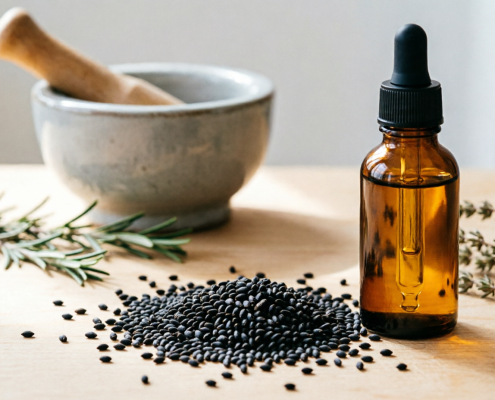
For over three millennia, black cumin seed oil has occupied a revered place in traditional medicine across the Middle East, North Africa, and South Asia. Pressed from the small, aromatic seeds of the Nigella sativa plant (not to be confused with culinary cumin or black caraway), this golden-amber oil has been historically celebrated for its wide-ranging therapeutic properties. Today, modern pharmacology and nutritional science are catching up, revealing a compelling profile of bioactive compounds that support everything from immune resilience to metabolic balance.
The Science Behind the Seed: What Makes It Active?
The therapeutic reputation of black cumin seed oil isn’t rooted in folklore alone. Chemical analysis shows it contains more than 100 distinct compounds, but the standout is thymoquinone (TQ), a potent antioxidant and anti-inflammatory phytochemical that accounts for much of the oil’s biological activity. TQ works alongside other beneficial constituents like thymohydroquinone, nigellone, and a balanced profile of essential fatty acids (primarily linoleic and oleic acids). Together, these compounds help modulate cellular signaling pathways, reduce oxidative stress, and support the body’s natural defense mechanisms.
Evidence-Backed Health Benefits
While no single supplement can replace a balanced diet or medical treatment, a growing body of peer-reviewed research highlights several areas where black cumin seed oil shows genuine promise:
1. Potent Anti-Inflammatory & Antioxidant Support
Chronic inflammation and oxidative damage underlie many modern health concerns. Multiple human and animal studies indicate that thymoquinone downregulates pro-inflammatory markers like NF-κB, TNF-α, and IL-6, while simultaneously boosting the body’s endogenous antioxidant enzymes (such as glutathione and superoxide dismutase). This dual action makes the oil a compelling dietary adjunct for managing everyday inflammatory stress.
2. Immune & Respiratory Health
Black cumin seed oil has been studied for its immunomodulatory effects. Clinical trials suggest it may help reduce the frequency and severity of seasonal allergies by stabilizing mast cells and lowering histamine release. Additionally, several small-scale human studies report improved lung function and reduced asthma symptom scores when the oil is used alongside conventional treatments, likely due to its bronchodilatory and anti-inflammatory properties.
3. Metabolic & Cardiovascular Support
Emerging research points to modest but meaningful benefits for metabolic markers. Randomized controlled trials have shown that consistent supplementation (typically 1–3 grams daily) may help improve fasting blood glucose, insulin sensitivity, and lipid profiles in individuals with prediabetes or mild dyslipidemia. Some studies also note a gentle blood pressure-lowering effect, attributed to improved endothelial function and nitric oxide production.
4. Skin, Hair & Wound Healing
Topical and internal use of black cumin seed oil is widely explored in dermatology. Its antimicrobial, anti-inflammatory, and moisturizing properties make it useful for conditions like eczema, psoriasis, and mild acne. Small clinical studies report reduced itching, redness, and lesion severity with topical application. The oil’s rich fatty acid content also supports skin barrier integrity and hair follicle nourishment, while its antioxidant profile may promote faster tissue repair.
5. Digestive & Gut Health
Traditional use for soothing digestive discomfort aligns with modern findings. Research suggests Nigella sativa extract may help inhibit Helicobacter pylori growth, reduce intestinal inflammation, and support a healthier gut microbiome balance. Many users report relief from occasional bloating and indigestion, though larger trials are needed to confirm standardized protocols.
How to Use It Safely & Effectively
Form & Quality: Choose cold-pressed, 100% pure Nigella sativa oil in dark glass bottles. Look for third-party testing for purity, heavy metals, and thymoquinone content (typically 0.5%–2% TQ is considered high quality).
Dosage: Most studies use 1–3 grams daily (roughly ½ to 1 teaspoon) or equivalent in standardized capsules. Start low to assess tolerance.
Application: Can be taken orally (mixed into honey, smoothies, or taken straight), or applied topically (often diluted with a carrier oil for sensitive skin).
Storage: Keep refrigerated or in a cool, dark place to prevent rancidity. Shelf life is typically 6–12 months after opening.
Important Precautions & Who Should Avoid It
Despite its long history of use, black cumin seed oil isn’t appropriate for everyone:
Pregnancy: Avoid therapeutic doses. The oil may stimulate uterine contractions.
Medication Interactions: May enhance the effects of blood thinners, antihypertensives, and diabetes medications. Consult a healthcare provider if you take prescription drugs.
Surgery: Discontinue at least two weeks before elective procedures due to potential effects on bleeding and blood sugar.
Allergies: Those allergic to plants in the Ranunculaceae family should exercise caution.
Quality Matters: Adulterated or oxidized oils can cause digestive upset or reduced efficacy. Always purchase from reputable brands.
The Bottom Line
Black cumin seed oil is a fascinating intersection of ancient wisdom and contemporary science. Its rich phytochemical profile, particularly thymoquinone, offers genuine support for inflammation management, immune balance, metabolic health, and skin integrity. However, it is a complement, not a cure-all. Consistency, quality, and realistic expectations are key. As research continues to evolve, Nigella sativa remains a compelling example of how traditional botanicals can earn their place in modern wellness routines.
Related articles:
1. The Secret of Burdock Root: A Natural Detoxifier and Longevity Food
2. Commentary: Antioxidants – The Guardian Sentinels of Human Organs
3. Nutrition and Modern Medicine: Healing Should Not Rely Solely on Drugs
4. The foods and nutritional supplements that can prevent high blood pressure, high cholesterol, and high blood sugar
5. The Golden Trio for Kidney Health: The Traditional Chinese Medicine Wisdom and Practical Guide for Black Beans, Chinese Yam, and Corn Silk
6. Your Brain is an “Energy Hog”: Maintaining Blood Flow is Key to Preventing Dementia
7. Moringa Leaves: The “Super food” Gift from Nature, Unlocking a New Secret Code to Health
8. The Budwig Diet: Origins, Scientific Basis, and Clinical Evidence
9. A Cup of Warm Ginger Tea: Dispelling Chill, Boosting Health – Exploring the Miraculous Power of a Traditional Beverage
10. What are Telomeres in our body? What is their function?
11. The Importance of Gut Bacteria to Overall Health
12. The Health Benefits of L-Glutamine: A Key to Cellular Vitality and Glutathione Production
13. Glutathione: The Master Antioxidant Your Body Can’t Live Without
14. Cysteine: The Sulfur-Rich Amino Acid that Protects Your Health
15. A “Perfect Substitute” for Sugar? — The Hidden Health Myths Behind Artificial Sweeteners
16. The Quiet Superfood: Unlocking the Health Benefits of Makhana Seeds