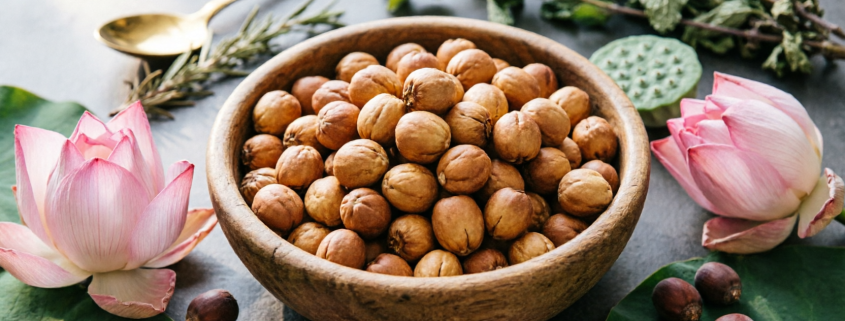
For centuries, makhana has been quietly harvested from the freshwater ponds and lakes of South and East Asia. Known in English as fox nuts or lotus seeds, these small, puffed kernels have long held a place in Ayurvedic and Traditional Chinese Medicine as a nourishing, balancing food. Today, as modern nutrition science catches up with ancient wisdom, makhana is experiencing a well-deserved resurgence. But what exactly makes these unassuming seeds so beneficial?
What Exactly Is Makhana?
Makhana comes primarily from Euryale ferox, a species of aquatic plant native to India, China, and Japan. (Note: While often called “lotus seeds,” true lotus seeds come from Nelumbo nucifera; both are edible and nutritionally similar, but commercially available makhana in India is usually Euryale ferox.) The seeds are harvested, sun-dried, roasted, and puffed, resulting in a light, crunchy texture that makes them a popular snack and culinary ingredient.
A Nutritional Powerhouse in a Tiny Package
Per 100 grams of dried, roasted makhana, you’ll typically find:
- ~340–350 calories
- 14–16 g of plant-based protein
- 10–12 g of dietary fiber
- Low glycemic index (~55 or lower)
- Rich in magnesium, potassium, phosphorus, iron, and zinc
- Naturally gluten-free, cholesterol-free, and low in sodium
Makhana also contains bioactive compounds like flavonoids, phenolic acids, and alkaloids, which contribute to its antioxidant and anti-inflammatory properties.
Science-Backed Health Benefits
1. Supports Cardiovascular Health
Makhana’s high magnesium and potassium content helps regulate blood pressure by promoting vascular relaxation and balancing sodium levels. Its fiber and low saturated fat profile further support healthy cholesterol metabolism, making it a heart-friendly snack choice.
2. Helps Stabilize Blood Sugar
With a low glycemic index and a favorable fiber-to-carbohydrate ratio, makhana releases glucose gradually into the bloodstream. This makes it a smart option for individuals managing insulin resistance, prediabetes, or type 2 diabetes, especially when consumed in place of refined-carb snacks.
3. Aids in Weight Management
Protein and fiber work synergistically to increase satiety and reduce cravings. Because makhana is naturally low in calories but highly filling, it’s an excellent alternative to chips, crackers, or fried snacks for those looking to maintain or lose weight mindfully.
4. Promotes Digestive Wellness
The dietary fiber in makhana adds bulk to stool, supports regular bowel movements, and acts as a prebiotic, feeding beneficial gut microbiota. Traditional systems also value it for its gentle, non-irritating nature, making it suitable for sensitive digestive systems.
5. Offers Antioxidant & Anti-Aging Support
Oxidative stress accelerates cellular aging and contributes to chronic disease. Makhana’s polyphenols and flavonoids help neutralize free radicals, potentially protecting skin, hair, and internal organs from oxidative damage. Some preliminary studies also suggest it may support liver health and reduce markers of inflammation.
6. Calming & Nourishing Properties
In Ayurveda and TCM, makhana is classified as a sattvic (pure, balancing) food, traditionally used to calm the nervous system, support sleep, and promote vitality during recovery or postpartum periods. While modern clinical trials are limited, its rich mineral profile (especially magnesium and phosphorus) aligns with known nutrients that support nerve function and stress resilience.
How to Enjoy Makhana in Your Daily Diet
Makhana’s neutral flavor and crisp texture make it incredibly versatile:
- Dry-roasted snack: Toss with olive oil, turmeric, black pepper, and a pinch of salt, then roast until crisp.
- Soup & curry thickener: Adds body and nutrients without altering flavor.
- Baking & desserts: Ground into flour for gluten-free breads, or simmered in milk with cardamom and jaggery for a traditional kheer.
- Trail mix & salads: Adds crunch and protein to grain bowls or nut mixes.
Storage tip: Keep roasted makhana in an airtight container in a cool, dry place to prevent moisture absorption and preserve crispness. It stays fresh for up to 6 months.
Things to Keep in Mind
Makhana is generally recognized as safe and well-tolerated. However, as with any high-fiber food, introduce it gradually to avoid temporary bloating or gas. Opt for minimally processed, unsalted varieties to maximize benefits. While culinary use is perfectly safe for most people, those with specific medical conditions or pregnancy should consult a healthcare provider before using it therapeutically.
The Bottom Line
Makhana isn’t a fleeting wellness trend; it’s a time-tested, nutrient-dense food that aligns seamlessly with modern dietary goals: plant-forward, low-glycemic, gluten-free, and minimally processed. Whether you’re looking to upgrade your snack drawer, support metabolic health, or explore traditional superfoods, makhana deserves a permanent spot in your kitchen. As research continues to validate its traditional uses, one thing is clear: sometimes the most powerful foods are the ones nature has been quietly offering all along.