HarmonyOS: Huawei’s Vision for a Connected Future
Introduction to HarmonyOS
HarmonyOS (Hongmeng OS in Chinese) is Huawei’s proprietary distributed operating system first announced in 2019 amid U.S. trade restrictions that limited the company’s access to Android. Unlike traditional operating systems designed for specific device categories, HarmonyOS represents a fundamental rethinking of how devices interact in an increasingly connected world.
Core Philosophy and Architecture
At its heart, HarmonyOS employs a microkernel architecture—a significant departure from the monolithic kernels used in Android and iOS. This approach prioritizes:
-
Security: The microkernel includes only the most essential functions, reducing vulnerability surfaces
-
Low Latency: Deterministic latency engine ensures responsive performance
-
Modularity: Components can be added or removed based on device requirements
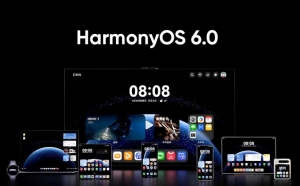
The most distinctive feature is its distributed capability, allowing multiple devices to function as a single “super device.” A user can start watching a video on a smartphone, then seamlessly continue on a tablet, TV, or car display without manual transfer.
Development Trajectory
HarmonyOS has evolved through multiple iterations:
-
HarmonyOS 1.0 (2019): Introduced core distributed concepts
-
HarmonyOS 2.0 (2021): Expanded to smartphones, tablets, and wearables
-
HarmonyOS 3.0 (2022): Enhanced cross-device capabilities and performance
-
HarmonyOS Next (announced): Will drop Android compatibility entirely
Current Adoption and Ecosystem
As of 2023, HarmonyOS has achieved significant traction in China:
-
Over 700 million active devices
-
Strong integration with Huawei’s product ecosystem (phones, tablets, watches, TVs, IoT devices)
-
Growing third-party developer support with native HarmonyOS applications
Global Prospects: Can HarmonyOS Challenge Android’s Dominance?
The path to worldwide acceptance presents both challenges and opportunities:
Advantages
-
Technical Innovation: The distributed architecture addresses genuine needs in an IoT-connected world
-
Security Focus: Growing global concerns about data privacy could favor a security-first OS
-
Huawei’s Resources: Substantial R&D investment and existing global brand recognition
-
Alternative Ecosystem: Provides options in markets seeking to reduce dependence on American tech giants
Significant Challenges
-
App Ecosystem: Android’s Google Play Store offers over 3 million apps; HarmonyOS’s AppGallery has approximately 200,000
-
Global Political Landscape: Ongoing geopolitical tensions affect international trust and adoption
-
Developer Mindshare: Convincing developers to build for another platform remains difficult
-
Market Entrenchment: Android and iOS have deeply established user behaviors and expectations
Strategic Pathways for Global Adoption
For HarmonyOS to achieve worldwide acceptance, several strategic approaches might prove effective:
-
Regional Partnerships: Focusing initially on markets with strong Huawei presence or those seeking technological independence
-
Niche Domination: Excelling in specific segments like IoT, automotive, or enterprise solutions first
-
Open Collaboration: Increasing openness to encourage third-party device integration
-
Gradual Expansion: Building credibility through superior performance in specific use cases rather than direct smartphone competition
Conclusion: A Different Kind of Contest
HarmonyOS represents more than just another mobile OS—it offers a fundamentally different vision for computing in a connected age. While unlikely to displace Android globally in the smartphone market in the near term, it could establish significant presence in specific regions and device categories.
The ultimate test will be whether HarmonyOS can deliver genuinely superior experiences that transcend current platform limitations. In a world increasingly populated by diverse smart devices, Huawei’s distributed approach addresses real technological needs. Its global success may depend less on direct competition with Android on traditional metrics, and more on defining new paradigms for how operating systems should function in an interconnected ecosystem.
HarmonyOS may not become “the next Android,” but it could very well pioneer the category of “distributed operating systems” that eventually becomes the standard for the next generation of connected devices.
Leave a Reply
Want to join the discussion?Feel free to contribute!