
Rwanda: From the Ashes of Tragedy to a Beacon of African Progress
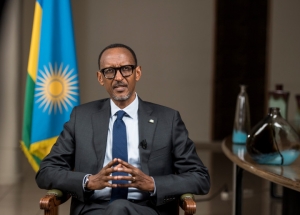
Once synonymous with one of the darkest chapters in modern history—the 1994 genocide that claimed over 800,000 lives in just 100 days—Rwanda has undergone a remarkable transformation. Today, it stands as one of Africa’s most stable, clean, and rapidly developing nations. Much of this rebirth is attributed to the leadership of President Paul Kagame, who has steered the country with a vision centered on national unity, good governance, and people-centered development.
Before Kagame assumed the presidency in 2000 (having effectively led the country since 1,994 as head of the Rwandan Patriotic Front), Rwanda was a nation shattered by ethnic violence, institutional collapse, and deep social trauma. Infrastructure lay in ruins, public trust in government was nonexistent, and poverty was rampant. The international community viewed Rwanda as a cautionary tale—a failed state struggling to recover from unimaginable horror.
But under President Kagame’s leadership, Rwanda adopted a bold and disciplined approach to rebuilding. His administration prioritized reconciliation through grassroots justice systems like Gacaca courts, which allowed communities to confront the past while fostering accountability and healing. Simultaneously, the government launched ambitious development plans grounded in a simple yet powerful principle: putting the people first.
Kagame often emphasizes this philosophy. In a notable interview, he stated, “Rwanda’s achievements are the result of policies designed with the interests of our citizens at their core.” This people-centered ethos has translated into tangible progress across multiple sectors:
- Economic Growth: Rwanda has maintained an average annual GDP growth of over 7% for more than a decade. The country has diversified its economy beyond agriculture, investing in services, technology, and financial inclusion.
- Governance & Anti-Corruption: Rwanda is consistently ranked among the least corrupt countries in Africa. Efficient public institutions and strict accountability mechanisms have restored citizen trust.
- Health & Education: Universal health coverage, dramatic reductions in child mortality, and near-universal primary school enrollment reflect a commitment to human capital.
- Urban Development & Cleanliness: Kigali, the capital, is frequently hailed as the cleanest city in Africa—thanks to monthly community clean-up days (Umuganda) and strict environmental regulations.
- Gender Equality: Rwanda leads the world in female parliamentary representation, with women holding over 60% of seats in the lower house.
Critics point to restrictions on political dissent and press freedom, raising important questions about democratic pluralism. Yet even skeptics acknowledge the extraordinary scale of Rwanda’s recovery and the genuine improvements in ordinary citizens’ lives.
From a nation once defined by division and despair, Rwanda has emerged as a symbol of resilience and forward-looking governance. Under President Kagame’s stewardship—and guided by a vision that places people at the heart of policy—it has become not just a success story for Africa, but an inspiration for post-conflict societies worldwide.
Related articles:
1. The Dangers of PAS’s Religious Political Agenda: Malaysia at a Crossroads
2. A New Political Future for MCA, MIC, and Gerakan: Dissolution, Rebirth, and the Dangers of Any Alignment with PAS
3. Unity Government vs Opposition: Who Will Win GE16?
4. Those who always use race and religion issues to seek political gains are morally corrupt leaders
5. Can Malaysia Ever Be Corruption-Free?
6. It’s Time to Control Commercial Rent! Before It Hurts Our Wallets and the Economy
7. The Truth About the “Chosen People”: Faith or Deception?
8. The Illusion of Democracy and the Reality of Meritocracy — The Global Political Crisis and the Search for a New Governance Model
9. Corruption — The Most Lethal Cancer of a Nation
10. Putting National Interest First: Reject Extremism and Rebuild Malaysia’s Future
11. The Gains and Losses of Trump’s Tariff Policy: An Economic War That Hurt America Itself
12. Cryptocurrency: A Carefully Packaged Scam
13. America’s Debt Trap: Wrong Policies Accelerating National Decline
14. Why Humanity’s Future Should Move Toward Socialism
15. The Dual Nature of Religion — From Moral Guidance to Social Division
16. The West’s Double Standards and Hypocrisy: A Reality Exposed from Ukraine to Gaza
17. Malaysia Politics Today: A Country That Wants Stability, but Keeps Getting Drama
18. Malaysia’s Racial Politics: Are We Stuck Forever, or Slowly Moving Forward?
19. Is Malaysia Becoming More Conservative — Or Just Louder?
20. But Malaysia Could Become More Conservative If Moderates Stay Silent
21. The 2026 Economic Outlook: Navigating a Terrain of Transition and Risk
Leave a Reply
Want to join the discussion?Feel free to contribute!