
The Power of the Belly: Why Abdominal Breathing is Essential for Mind and Body
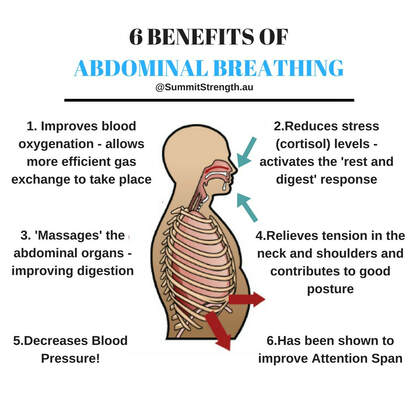
In Daoist traditions, practitioners are taught a foundational principle for meditation and inner cultivation: “Sink the Qi to the Dantian” (Qi Chen Dan Tian). This ancient wisdom emphasizes that every breath should engage the abdomen rather than the upper chest, as abdominal breathing—often referred to as diaphragmatic or belly breathing—is humankind’s original and most natural way of breathing.
The Wisdom of Infancy: Humanity’s Natural Breath
To understand why abdominal breathing is the proper way to breathe, one needs only to observe a newborn baby. When an infant rests, their chest remains remarkably still while their abdomen gently rises and falls with each breath. Unburdened by chronic stress, posture issues, or social conditioning, infants breathe instinctively using their diaphragm. This natural mechanism ensures maximum oxygen intake with minimal effort.
As adults, however, modern life often disrupts this natural rhythm. Constant stress, sedentary habits, and poor posture cause many people to shift into habituated shallow chest breathing. Chest breathing relies heavily on the neck and shoulder muscles, taking small, rapid breaths that only fill the upper portion of the lungs.
The Consequences of Chest Breathing
While chest breathing is a normal physiological response to temporary acute danger (part of the “fight-or-flight” mechanism), living in a state of chronic chest breathing can subtly compromise health over time:
-
Disrupted Sleep: Shallow breathing triggers the sympathetic nervous system, keeping the body on high alert. This constant low-grade tension can make it difficult to fall asleep, lead to restless night awakenings, and diminish deep sleep cycles.
-
Emotional Turbulence: Fast, shallow breaths signal to the brain that the body is under threat. This creates a biological feedback loop, exacerbating anxiety, irritability, and stress.
-
Compromised Physical Health: Poor diaphragmatic movement reduces overall oxygen exchange, restricts venous blood return to the heart, and can cause chronic tension in the shoulders, neck, and upper back.
Returning to the Root: Benefits of Abdominal Breathing
Transitioning back to deep abdominal breathing serves as a powerful, non-invasive key to restoring holistic equilibrium:
-
Activates the Parasympathetic System: Deep diaphragmatic breathing stimulates the vagus nerve, signaling the nervous system to shift into “rest and digest” mode. This slows the heart rate, lowers blood pressure, and promotes emotional tranquility.
-
Optimizes Oxygen Exchange: The lower lobes of the lungs contain the largest concentration of blood vessels. By expanding the abdomen and allowing the diaphragm to drop fully, you fill the lower lungs, significantly enhancing oxygen absorption and blood circulation.
-
Improves Sleep Quality: Practicing abdominal breathing before bed helps quiet a racing mind, lowers physical tension, and prepares the body for deep, restorative sleep.
-
Supports Internal Organ Function: As the diaphragm contracts downwards during an abdominal inhalation, it gently massages the internal abdominal organs—such as the stomach, intestines, and liver—promoting healthy digestion and lymphatic flow.
Conclusion
The ancient Daoist masters understood intuitively what modern science now confirms: how we breathe directly shapes how we live and feel. Chest breathing may sustain life, but abdominal breathing allows life to flourish. By consciously letting go of shallow chest breathing and returning to the natural belly breathing of our infancy, we reconnect with our body’s innate wisdom—cultivating lasting physical vitality, emotional stability, and mental clarity.
Leave a Reply
Want to join the discussion?Feel free to contribute!