
Beyond the Glint of Gold: Why World Gold Council CEO David Tait Predicts Bitcoin Will Eventually Collapse to Zero
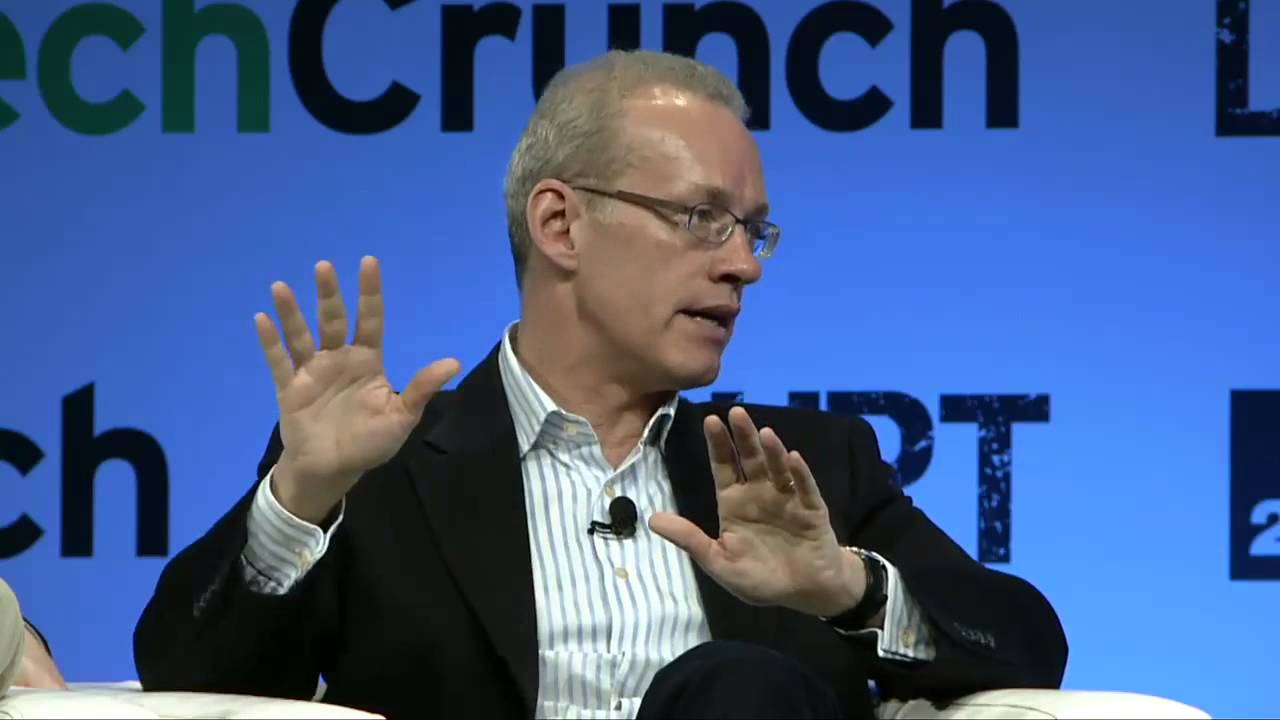
In the high-stakes arena of global macroeconomics, few voices command as much traditional authority as David Tait. As the Chief Executive Officer of the World Gold Council and a veteran of top-tier financial institutions like Credit Suisse, UBS, and Goldman Sachs, Tait brings over three decades of market experience to the table.
Amid growing anxieties over mounting sovereign debt and shifting monetary orders, Tait made headlines with a characteristically blunt forecast: he believes Bitcoin will eventually go to zero.
While his prognosis sounds radical to the legions of digital asset proponents, Tait’s reasoning unpacks a deep-seated skepticism about Bitcoin’s structural utility, alongside a stark warning regarding the fragile state of traditional fiat systems.
The “Trader’s Instinct” and the Failure of Correlation
When pressed on his bold prediction, Tait candidly admitted that his view is not rooted in a complex cryptographic or analytical breakdown, but rather in “pure instinct as a trader.” Having spent a career navigating macro fixed-income and risk markets, his bearish outlook on cryptocurrency stems from how Bitcoin behaves under pressure.
According to Tait, Bitcoin has fundamentally failed to deliver on its primary narrative as a safe-haven asset or a reliable macroeconomic hedge.
-
The Correlation Trap: Tait expected Bitcoin to act as a structural offset—an uncorrelated safe asset that investors could use to balance risk exposure during broader market panics.
-
The Reality of Crises: Instead of decoupling during systemic shocks, Bitcoin has repeatedly traded in lockstep with high-risk equities, behaving more like a speculative tech stock than digital gold when liquidity dries up.
Despite acknowledging Bitcoin’s massive commercial success—noting the rapid institutional adoption seen through spot exchange-traded funds (ETFs)—Tait remains fundamentally unconvinced of its long-term viability. When asked what might change his mind, he conceded that nothing could shift his fundamental gut feeling.
The True Macro Driver: The Sovereign Debt Crisis
Tait’s bearish stance on Bitcoin exists in parallel with an even graver warning about the traditional financial ecosystem. He argues that the broader global financial landscape is hurtling toward a dangerous tipping point, driven primarily by unsustainable sovereign debt.
He points out that the relentless upward trajectory of gold—soaring past historical milestones—is not primarily a reaction to geopolitical skirmishes, short-term tariffs, or fluctuating interest rates. Instead, it is being fueled by systemic terror over structural government overspending. With the United States facing astronomical annual debt servicing costs topping $1 trillion, central banks globally are recognizing that fiat systems are trapped in an endless cycle of currency devaluation.
Central banks, particularly across Asia, have been aggressively hoarding physical gold not out of nostalgia, but as a hard-asset shield against a potential sovereign debt “crunch day”.
Bridging the Old and the New
Ironically, despite his skepticism toward Bitcoin, Tait is not blind to the digital revolution sweeping finance. Under his leadership, the World Gold Council has pursued modernization initiatives, such as developing a “gold-as-a-service” digital platform. This infrastructure aims to merge the timeless stability of physical gold with the frictionless accessibility demanded by modern crypto and tech-savvy investors.
| Feature | David Tait’s View on Bitcoin | David Tait’s View on Gold |
| Long-Term Outlook | Predicted to eventually hit zero based on trader instinct. | Robust and structurally sound, acting as the ultimate safe harbor. |
| Crisis Performance | Correlates with risk assets during downturns rather than offsetting them. | Acts as a true hedge against sovereign debt expansion and currency debasement. |
| Institutional Demand | Driven by trend-following and ETF adoption, but lacks intrinsic structural safety. | Driven by central bank accumulation to insulate vulnerable national economies. |
Conclusion
David Tait’s warning serves as a sharp counter-narrative to the hyper-optimism of the crypto boom. Whether his trader’s instinct regarding Bitcoin’s eventual collapse proves prophetic or misplaced remains to be seen. However, his core thesis demands attention: as governments continue down a path of endless debt accumulation, the battle for the ultimate safe-haven asset—whether mined from the earth or coded on a blockchain—is far from over.
Related articles:
1. The Dangers of PAS’s Religious Political Agenda: Malaysia at a Crossroads
2. A New Political Future for MCA, MIC, and Gerakan: Dissolution, Rebirth, and the Dangers of Any Alignment with PAS
3. Unity Government vs Opposition: Who Will Win GE16?
4. Those who always use race and religion issues to seek political gains are morally corrupt leaders
5. Can Malaysia Ever Be Corruption-Free?
6. It’s Time to Control Commercial Rent! Before It Hurts Our Wallets and the Economy
7. The Truth About the “Chosen People”: Faith or Deception?
8. The Illusion of Democracy and the Reality of Meritocracy — The Global Political Crisis and the Search for a New Governance Model
9. Corruption — The Most Lethal Cancer of a Nation
10. Putting National Interest First: Reject Extremism and Rebuild Malaysia’s Future
11. The Gains and Losses of Trump’s Tariff Policy: An Economic War That Hurt America Itself
12. Cryptocurrency: A Carefully Packaged Scam
13. America’s Debt Trap: Wrong Policies Accelerating National Decline
14. Why Humanity’s Future Should Move Toward Socialism
15. The Dual Nature of Religion — From Moral Guidance to Social Division
16. The West’s Double Standards and Hypocrisy: A Reality Exposed from Ukraine to Gaza
17. Malaysia Politics Today: A Country That Wants Stability, but Keeps Getting Drama
18. Malaysia’s Racial Politics: Are We Stuck Forever, or Slowly Moving Forward?
19. Is Malaysia Becoming More Conservative — Or Just Louder?
20. But Malaysia Could Become More Conservative If Moderates Stay Silent
21. The 2026 Economic Outlook: Navigating a Terrain of Transition and Risk
22. Rwanda: From the Ashes of Tragedy to a Beacon of African Progress
23. The Failure of Modern Democracy: When Popularity Overpowers Competence
24. The $13 Billion Mirage: How Michael Saylor’s Bitcoin Gamble Crossed the Line into Madness
25. A Classic Case of the “Tyranny of the Majority”
26. 选举问责制的严重侵蚀
27. The ‘Me First’ Presidency: Analyzing Thomas L. Friedman’s Critiques of Donald Trump
28. Economist Jeffrey Sachs Delivers Blistering Critique of Donald Trump’s “Mickey Mouse Economics”
29. The Great Dichotomy: What America’s Decline Teaches Us About the True Meaning of a Nation
30. 马来西亚的悲哀
31. The Tragedy of Malaysia
32. Monetizing the Presidency: The Controversy Over Truth Social’s “Truth API”
Leave a Reply
Want to join the discussion?Feel free to contribute!